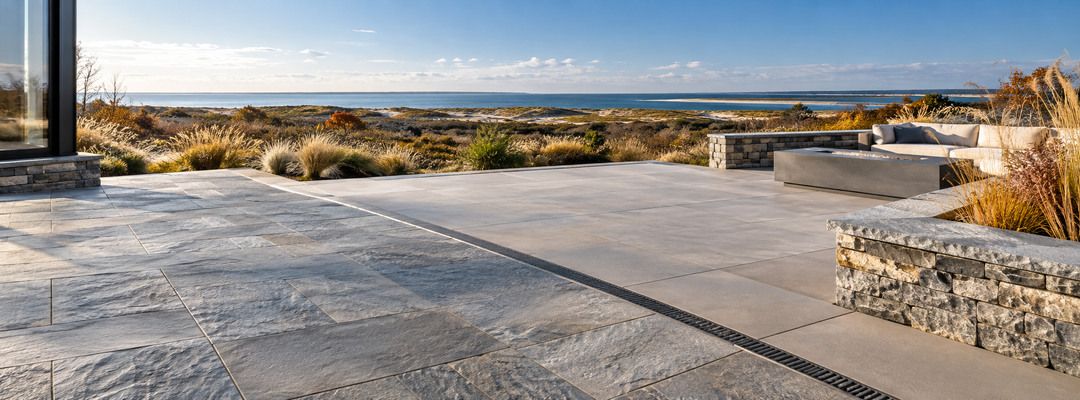
Write the Exposure Brief First
A serious material review starts with a one-page description of what the surface will experience. Is the property directly exposed to salt spray, or simply within a coastal climate? Will wind deposit sand on the surface? Does the area stay shaded and damp? Is the paving pedestrian-only, or will it carry service vehicles? Will furniture, grills, planters, or equipment create concentrated loads? How will snow be removed, and which deicers may be used?
Also identify the water sources. Rainfall is only one. Irrigation overspray, roof leaders, outdoor showers, washdown, pools, fountains, and runoff from adjacent grades can keep certain areas wet. Map where water enters, crosses, and leaves the hardscape. A premium finish over an unresolved drainage path remains a vulnerable system.
Natural Stone Requires Stone-Specific Evaluation
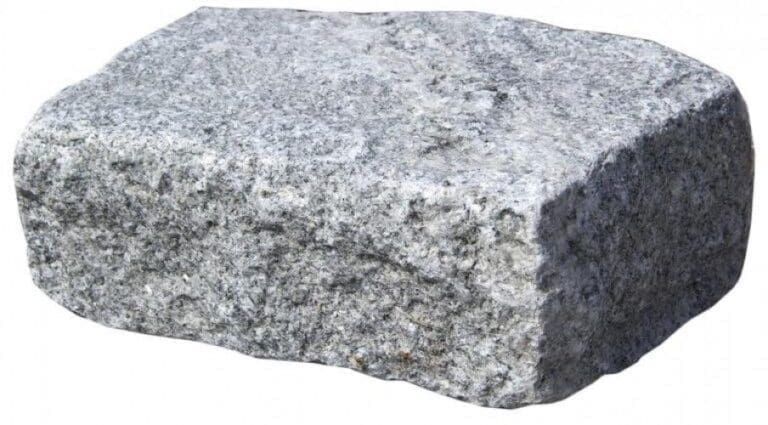
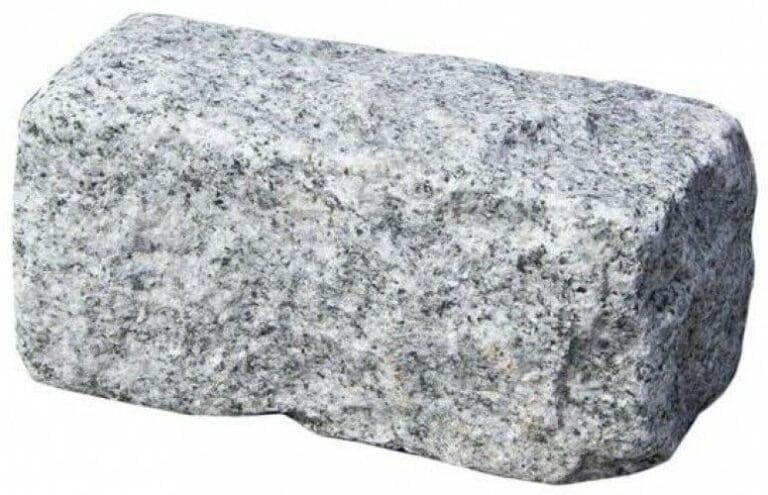
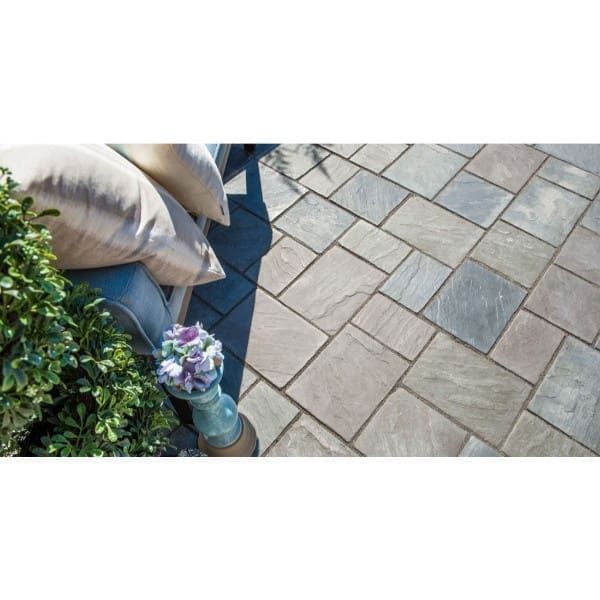
Natural stone is not one uniform material. Granite, bluestone, limestone, sandstone, quartzite, and other varieties have different absorption, strength, abrasion resistance, mineral composition, and performance histories. Even within a stone family, properties can vary by source and finish. The Natural Stone Institute advises project teams to identify special exposures—including freeze-thaw, salt atmosphere, deicing salts, immersion, chemicals, traffic, and thermal cycling—before final selection.
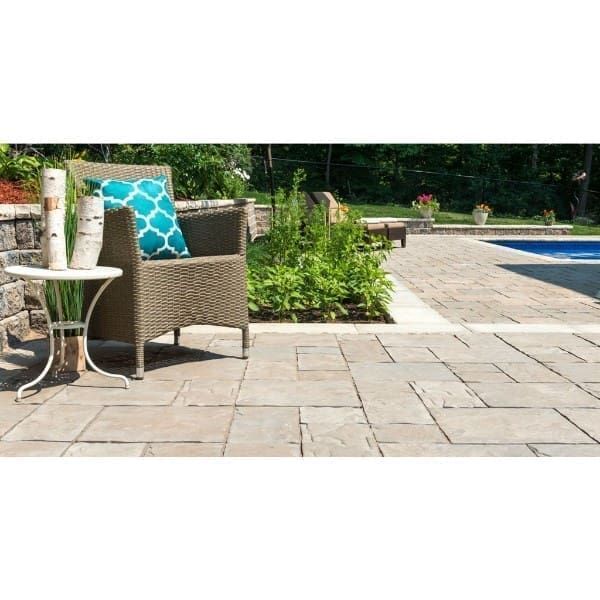
Ask for current technical data appropriate to the application. For horizontal exterior paving in a freeze-thaw climate, historical exterior performance and relevant test results matter more than an indoor sample’s appearance. Finish matters too. A heavily textured surface may offer a different wet feel and cleaning demand than a smoother finish. Edge details, piece size, thickness, setting method, jointing, drainage, and movement accommodation are part of the evaluation.
Natural variation is an aesthetic strength, but it must be approved honestly. Review several pieces, not one hand sample. If the project requires a narrow color range, establish a control sample or mockup and confirm how the installer will blend material.
Concrete Pavers Are a System, Not Loose Units
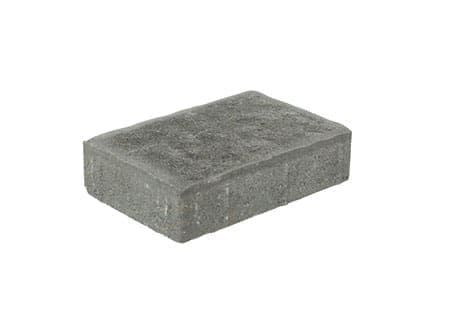
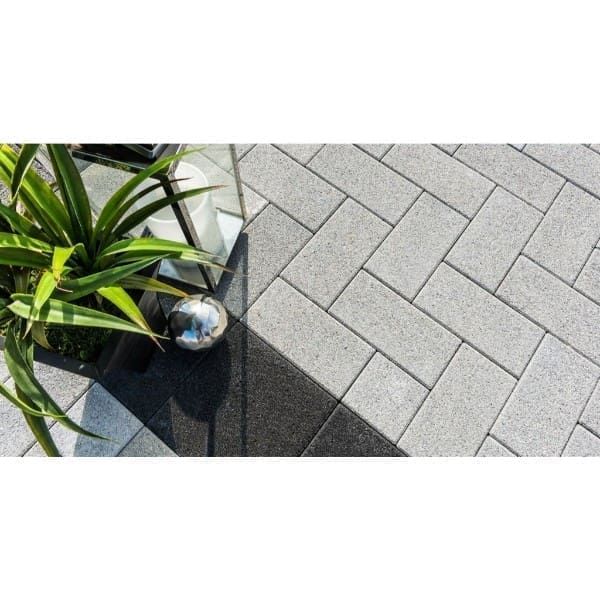
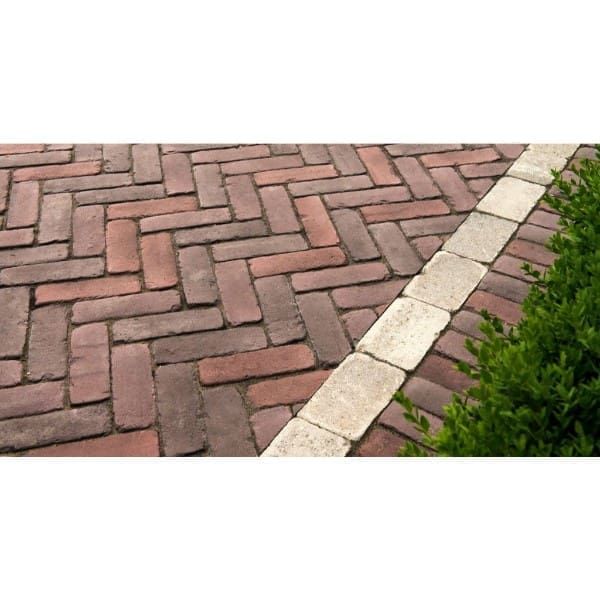
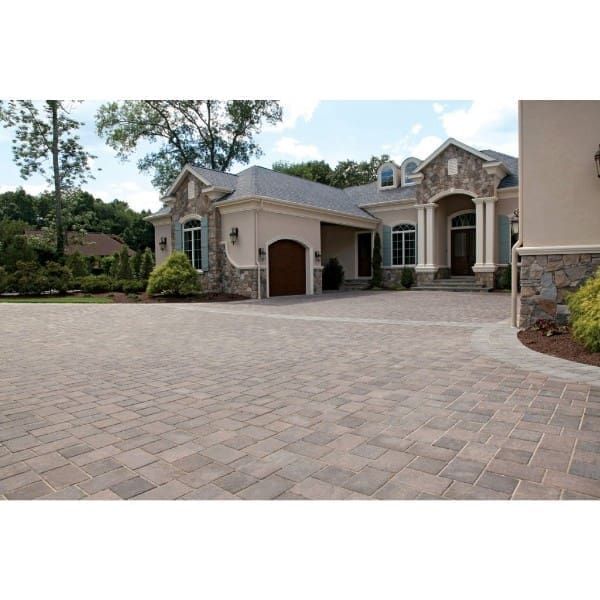
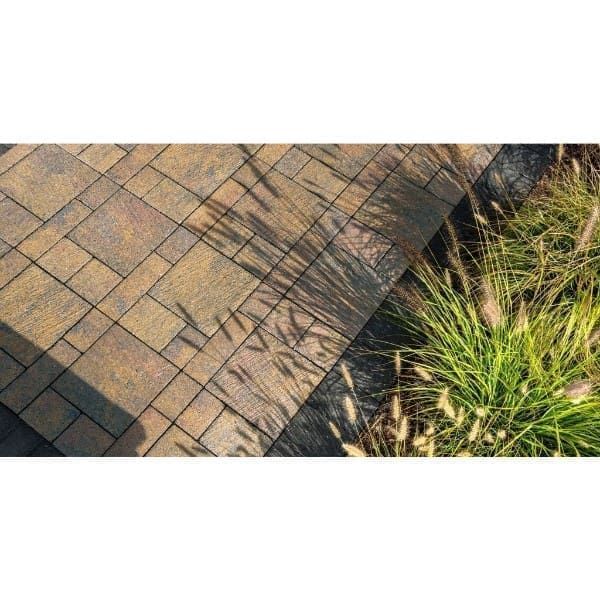
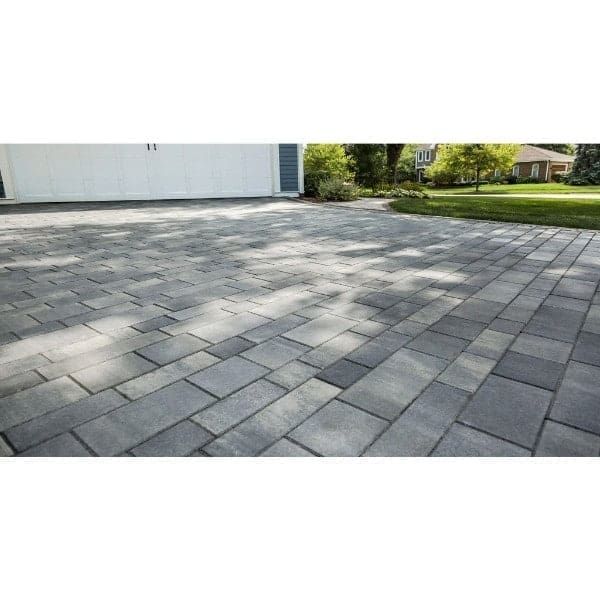
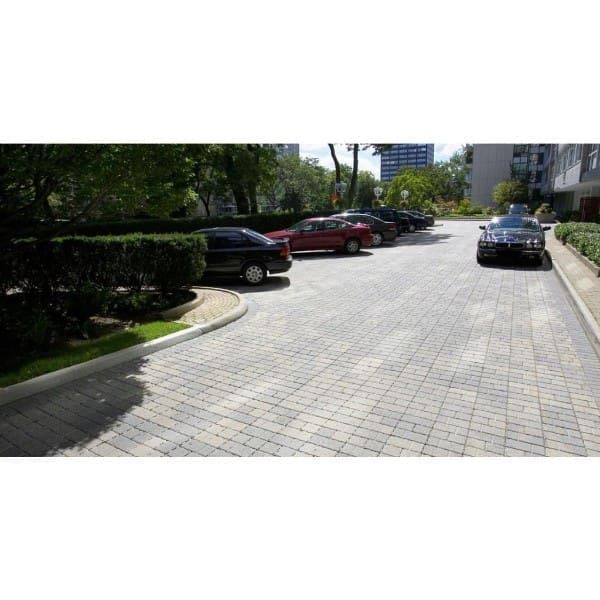
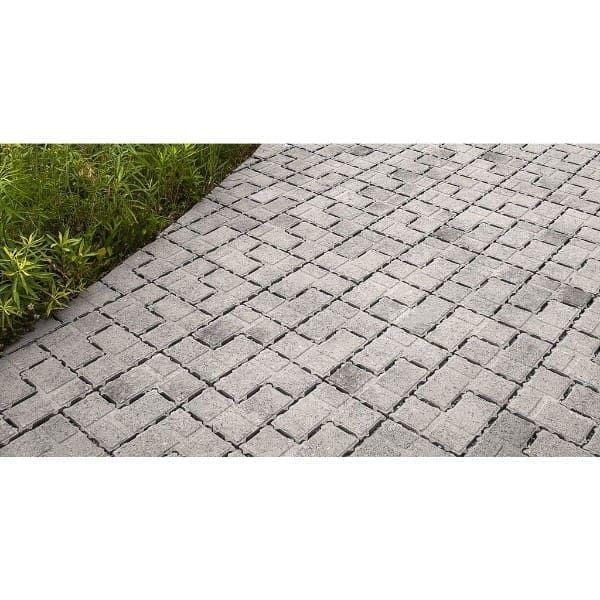
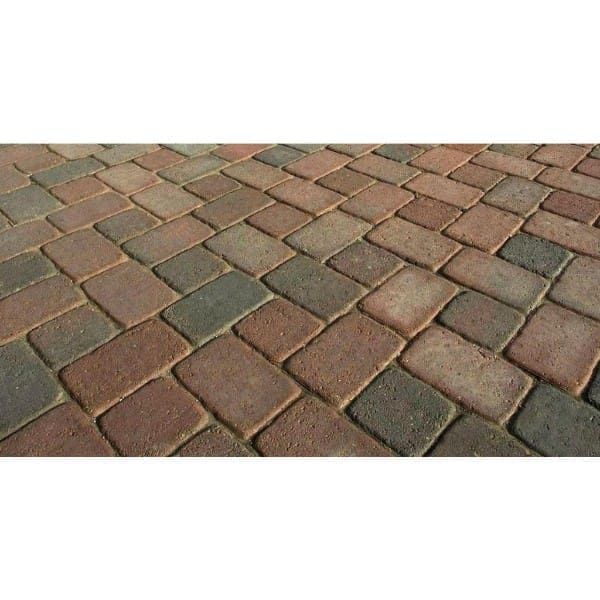
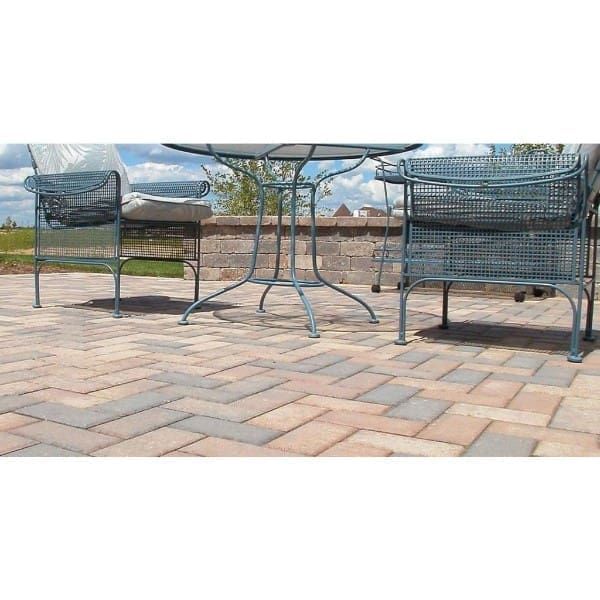
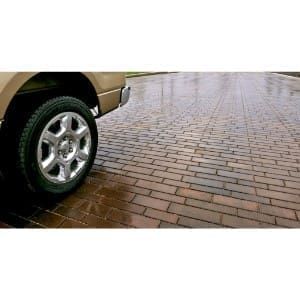
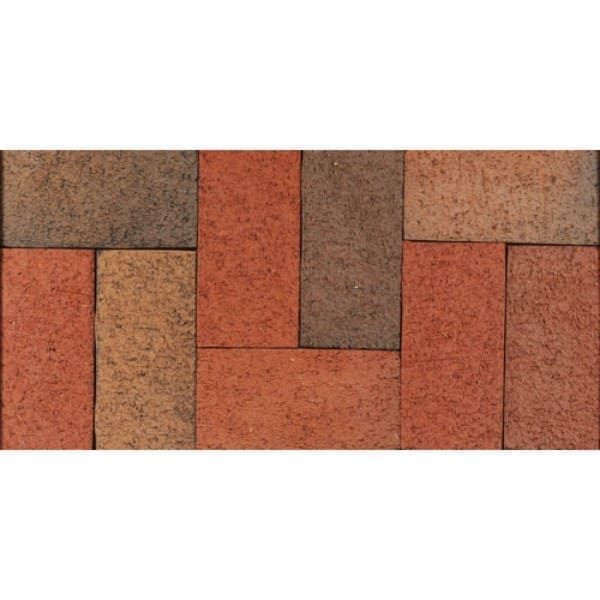
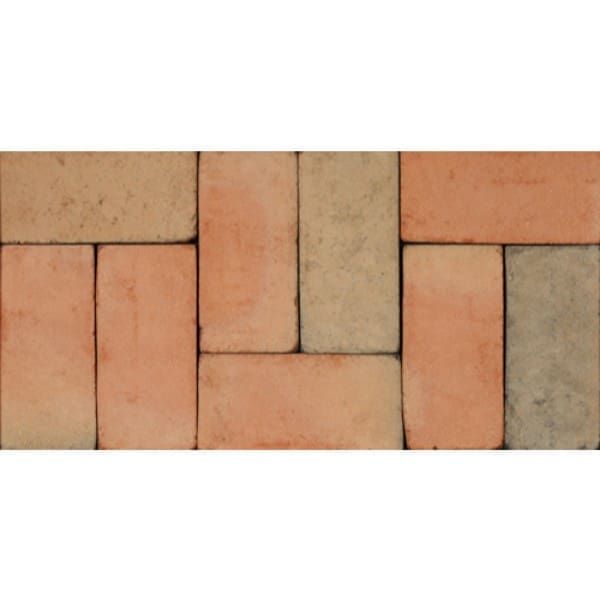
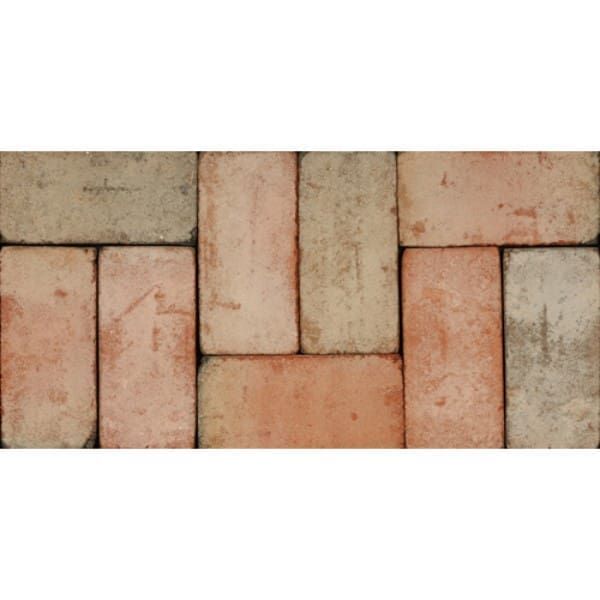
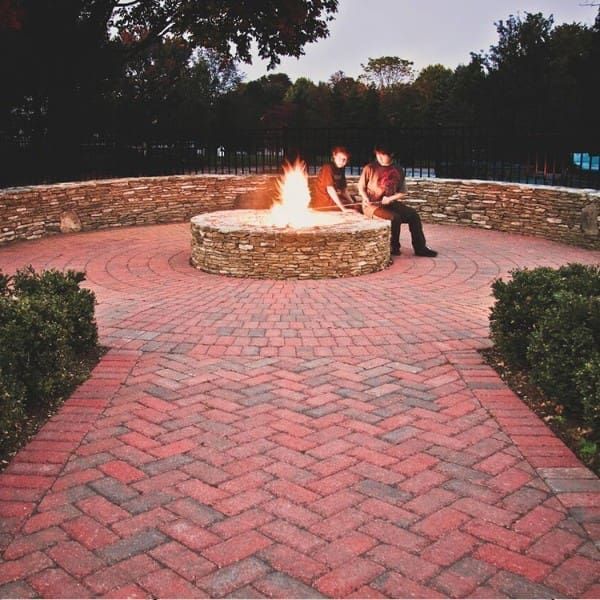
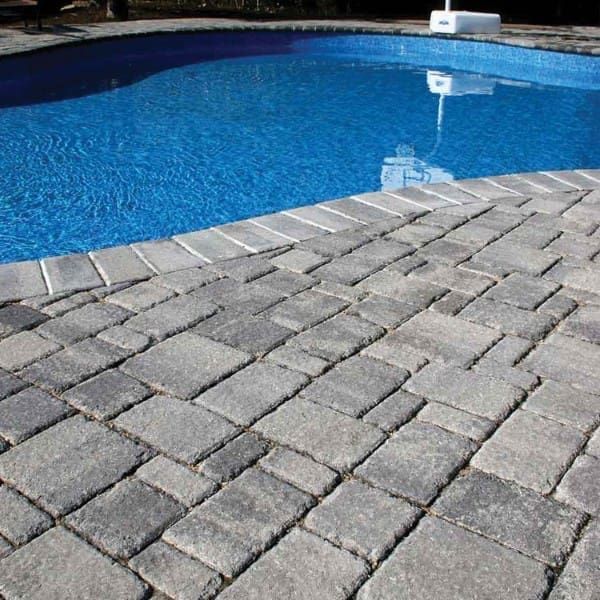
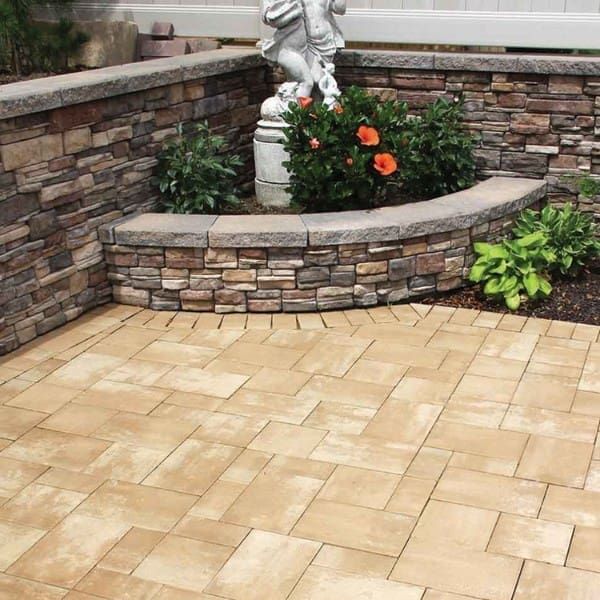
Interlocking concrete pavers and slabs are manufactured products with published dimensions and performance requirements, but their long-term behavior still depends on the installed system. Product selection must match the use; a slab intended for pedestrian terraces should not be assumed suitable for vehicular traffic. Base, bedding, joints, edge restraint, drainage, compaction, cuts, and winter maintenance all matter.
For coastal work, discuss surface technology, color expectations, salt and deicer guidance, snow-removal equipment, and the ability to replace individual units. Repairability can be valuable on properties where utilities or drainage components may need future access. Keep a labeled reserve of approved units when the design depends on a particular color and finish, because future production can vary.
Exterior Porcelain Needs an Approved Assembly
Exterior porcelain appeals to many contemporary projects because it can provide controlled color, low absorption, and a large-format appearance. It is not a universal drop-in replacement for concrete pavers or natural stone. Confirm that the exact product is rated for the proposed exterior use and that thickness, support, pedestal or bonded setting method, joints, edge conditions, drainage, and substrate follow the manufacturer’s current instructions.
Large formats make flatness and support especially important. The design must also resolve transitions to steps, drains, doors, walls, and adjacent materials. Before ordering, review full-size samples in sun and shade, wet and dry, and from typical viewing distances. A subtle printed or textured surface can read differently across a large terrace than it does on a sample board.
Drainage and Detailing Can Outweigh the Finish
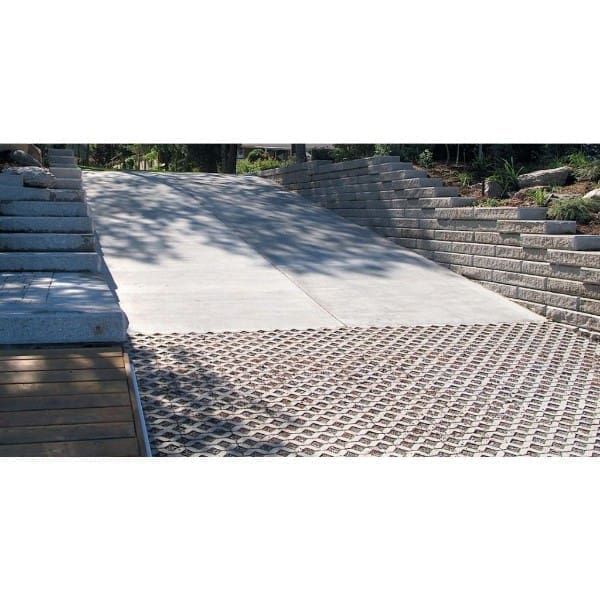
Good surface material cannot compensate for water trapped by poor elevations or blocked outlets. Coordinate finished slopes, channel or area drains, permeable zones where applicable, roof drainage, walls, planting beds, thresholds, and discharge locations. Keep drainage routes serviceable. If a drain can only be cleaned by dismantling a finished feature, the maintenance plan is incomplete.
Transitions need their own details. Where a terrace meets a building, resolve thresholds, flashing, drainage, and clearance. Where paving meets a wall or step, resolve movement and edge support. Where two paving systems meet, confirm thicknesses and base conditions so the finished surface does not depend on improvised bedding.
Decide the Winter Maintenance Rules Before the First Storm
The snow contractor should know what surfaces are present, which equipment edges are acceptable, where snow can be stacked, and which deicing products the manufacturer permits. The answer can differ among natural stone varieties, concrete products, and specialty collections. A broad promise that a deicer is “safe for stone” is not a project specification.
Plan for leaf and organic debris as well. Pigments can stain porous surfaces when wet leaves remain under snow. Confirm cleaning products and methods for the exact material; aggressive acids, wire brushes, or incorrect pressure washing can damage some finishes. If sealer is being considered, identify its purpose, appearance, slip implications, preparation requirements, and maintenance cycle.
Build a Decision Record
For a large property, maintain a schedule listing each hardscape zone, product, color, finish, size, use, exposure, setting system, joint material, edge detail, maintenance instruction, approved sample, and repair reserve. Note which professional approved each technical decision. This document protects design continuity when several contractors and phases are involved.
Bring that schedule, plans, elevations, quantities, and samples to the supplier. 9 Brothers Building Supply can help organize specified pavers, slabs, natural stone, wall and step components, base and joint materials, cleaners, sealers, and delivery needs. Confirm current availability and technical documents for the exact product before committing the project.
Frequently Asked Questions
What is the best hardscape material for an oceanfront Long Island property?
There is no universal best material. Selection should be based on the exact exposure, use, drainage, test data, finish, installation system, manufacturer guidance, and maintenance plan.
Does salt air affect hardscape materials?
Salt atmosphere is a special exposure that should be identified during selection. Its significance depends on the material, distance and orientation, wetting, details, and maintenance.
Can any natural stone be used for exterior paving in freeze-thaw conditions?
No. Stone varieties differ. Confirm successful exterior use, appropriate physical properties, finish, thickness, setting system, drainage, and relevant technical data for the specific stone.
Are large-format porcelain pavers suitable for coastal terraces?
They can be when the exact product is approved for exterior use and the specified support, drainage, joints, edges, transitions, and installation method are followed.
Should coastal paving samples be viewed wet?
Yes. Review full-size samples in sun and shade, wet and dry, because color, texture, glare, and perceived traction can change with light and moisture.
What should be included in a coastal hardscape maintenance plan?
Include drainage inspection, debris removal, approved cleaning methods, snow equipment, permitted deicers, stain response, sealer decisions if applicable, and a labeled repair-material reserve.